Manus,GAME OVER

Background
The gaming industry has long relied on developers with specialized skills in coding, design, and asset creation. However, the emergence of AI-driven tools is rapidly changing this landscape. Manus, a company behind an AI-powered no-code game engine, has introduced a system capable of automating the entire game development process — from concept to playable output. This advancement has sparked conversations about its potential to redefine how games are made and who can make them.
Recent discussions around the platform have gained momentum, especially after a notable engineer from Google DeepMind mentioned that the development is "game over" — not just for the competition, but possibly for the existing paradigms of game creation.
What is Manus AI?
Manus AI has developed a no-code game engine that leverages artificial intelligence to build complete games with minimal input. Users describe what they want, and the system generates:
- Character sprites and animations
- Environments and levels
- Game logic and interactions
- Playable 2D or 3D games in minutes
The engine requires no programming knowledge, making it accessible to creators of all backgrounds. It’s hosted online at manus.im, though currently only available via a waitlist.
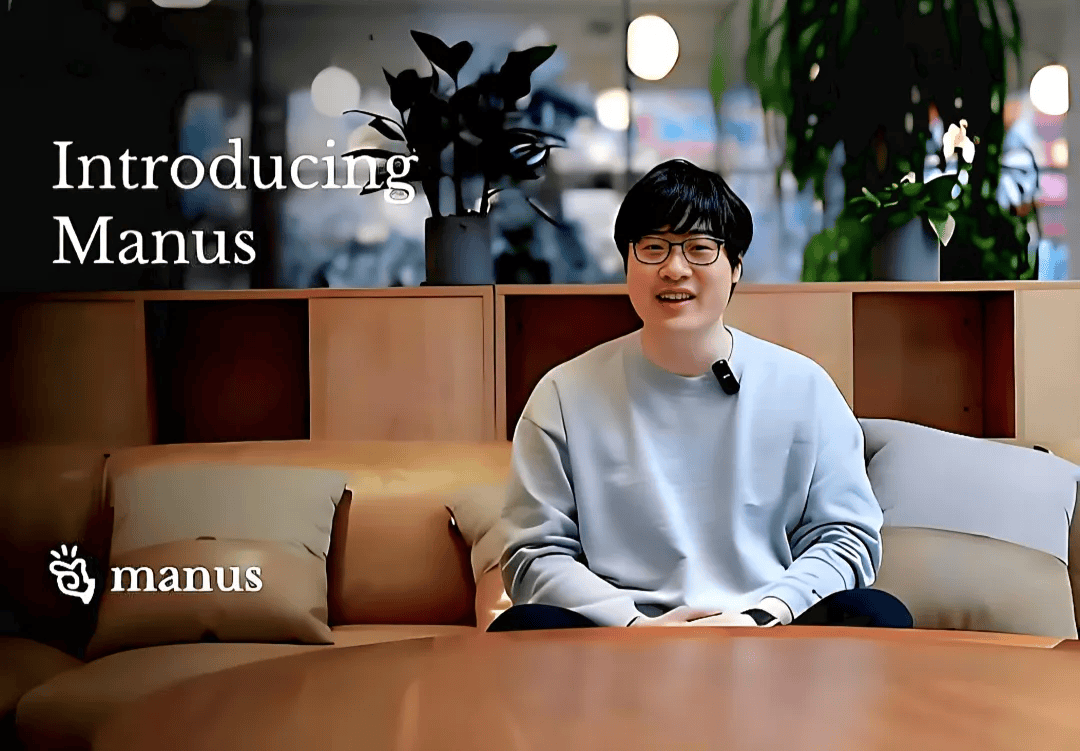
This system represents a significant leap in generative AI capabilities, especially in the context of interactive media.
The Game-Changing Impact
Manus AI is being viewed as a potential “fatal blow” to the AI bubble — not because it’s overhyped, but because it delivers tangible, transformative value.
Key points include:
- Democratization of game development: Anyone with an idea can turn it into a game.
- Speed and efficiency: From concept to playable prototype in minutes.
- Cost reduction: No need to hire artists, designers, or programmers for basic games.
- Barriers to entry eliminated: Indie developers and hobbyists can create without technical limitations.
Some analysts believe this could mark the end of traditional development for small-scale or casual games, where the human effort required may soon be seen as unnecessary.
Implications for the Gaming Industry
The arrival of Manus AI raises critical questions for the gaming ecosystem:
- What happens to asset creators and junior developers? Automation may displace entry-level roles, pushing the industry toward more complex and creative work that AI can’t easily replicate.
- Will innovation accelerate? With rapid prototyping, game ideas can be tested and launched faster than ever.
- How will studios adapt? AAA studios might use Manus for early-stage testing or asset generation.
- What about quality and originality? While Manus handles technical creation, storytelling and unique design will still depend on human input.
This shift may also trigger a new wave of game creators and indie developers, as the tools become more accessible and affordable.
The Future of AI in Game Development
Manus is part of a broader trend in AI integration across creative industries. As AI systems become more capable in reasoning and logic (as seen in work from Google DeepMind and others), the line between human and machine creation continues to blur.
Looking ahead:
- AI will likely handle more aspects of development, from animation to physics.
- Hybrid workflows — combining human creativity with AI execution — will become the norm.
- Regulatory and ethical questions will arise regarding ownership and originality of AI-generated content.
The phrase “GAME OVER” isn’t just marketing hype — it reflects a turning point in how games are made, and who gets to make them.